
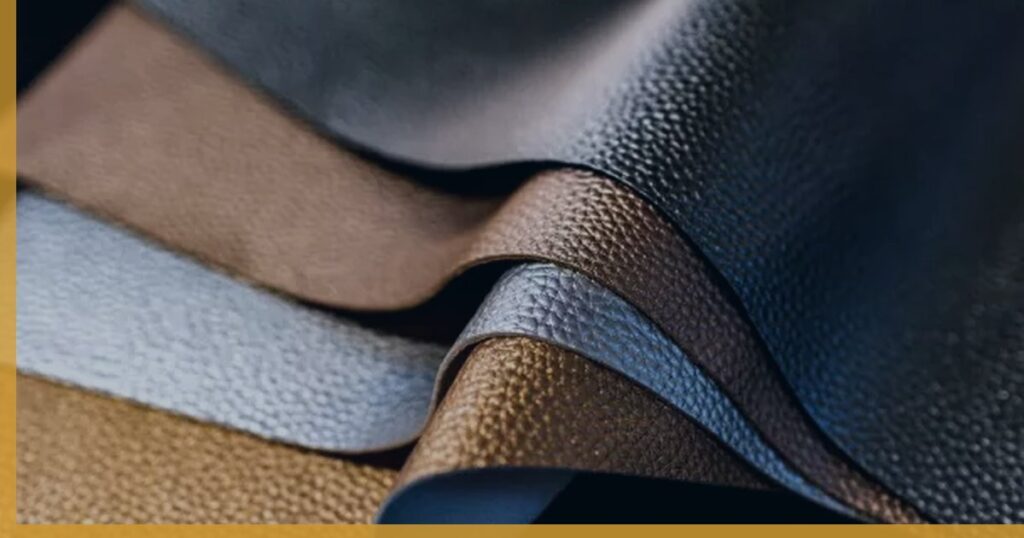
Acid Dyes For Upholstery Leather is most useful when it is evaluated as part of a complete colour system—not as an isolated product name. A durability-focused leather guide. The substrate, target shade, end-use fastness, equipment, water quality and compliance documentation all influence the result. This guide explains the decision points industrial buyers, laboratory teams and production managers should review before approving a material for bulk use.
Sardar Chemical Industries Limited supplies acid dyes under the Leatherol™ name for wool, silk, nylon, leather, feathers and modified acrylic. The relevant chemistry relies on ionic attraction between anionic dye groups and cationic sites on the fibre. Because the mechanism and operating window differ by grade, the current technical data sheet, safety data sheet and approved laboratory trial should always take priority over general guidance.
Acid dyes are anionic colourants commonly selected for protein fibres, polyamides and leather. Dyebath acidity changes fibre charge and the rate at which dye is attracted, so pH control strongly affects levelness and penetration. A rapid strike can create surface-heavy or patchy colour; a controlled build-up gives the dye more opportunity to migrate. Leather buyers should also assess penetration, dry and wet rubbing, finish compatibility and restricted-amine documentation.
What makes acid dyes for upholstery leather a specific buying decision?
Exposure and repeated contact make light and rubbing performance commercially important. That is why the product name or Colour Index reference should be treated as the start of the specification—not the whole specification. Commercial grades can differ in concentration, physical form, tone, solubility, application behaviour and supporting documentation.
For SEO and user clarity, the most useful answer to a search for acid dyes for upholstery leather is a practical one: identify the intended substrate and end use, request the current supplier documents, test the material against a retained standard, and scale up under controlled conditions. This approach reduces ambiguity for both technical teams and procurement.
Recommended pre-purchase specification
- Exact commercial grade and Colour Index reference, where applicable
- Strength basis and acceptable shade or colour-difference tolerance
- Physical form, packing size, labelling and batch traceability
- Target substrate, process and required fastness or whiteness results
- Required TDS, SDS, COA and market-specific compliance evidence
- Sample quantity, approval method, delivery lead time and complaint process
Do not assume that two materials with similar names are drop-in equivalents. Compare them at equivalent colour strength using the same substrate, water, equipment and test method. Record the result so the approval can be reproduced later.
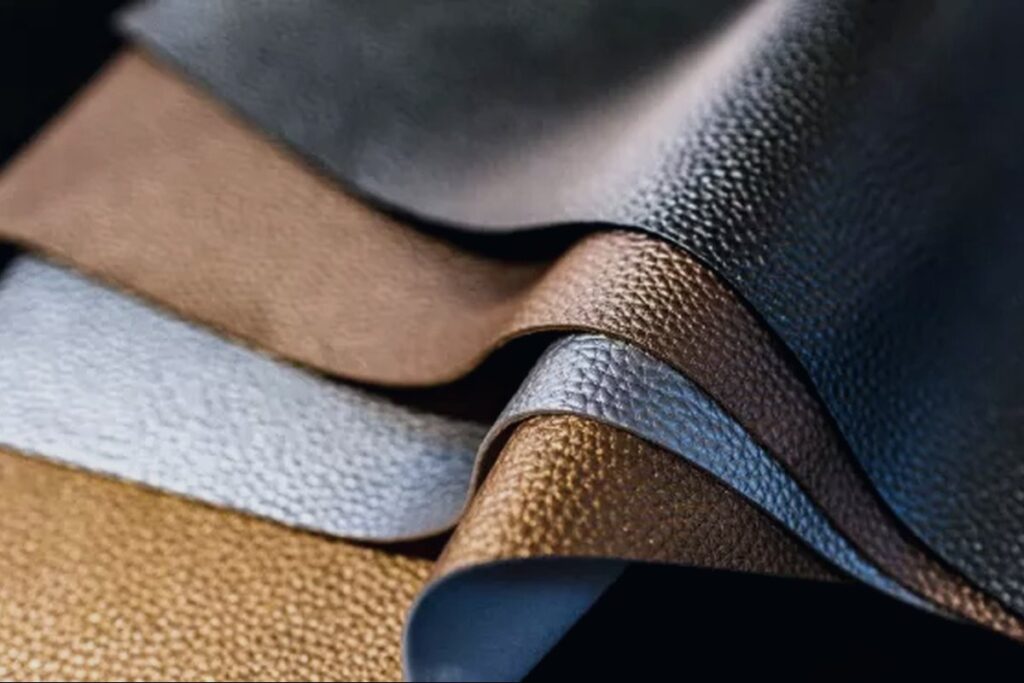
Acid Dyes For Upholstery Leather: the essential decision framework
Start with a written requirement rather than a product name alone. Record the substrate composition, construction or finish, target shade or whiteness, reference standard, production method, equipment constraints and destination market. This prevents a technically correct product from being approved for the wrong use case.
| Decision area | What to verify |
|---|---|
| Substrate fit | Wool, silk, nylon, leather, feathers and modified acrylic |
| Performance target | Define wash, light, rubbing, perspiration or whiteness requirements for the actual end use. |
| Process fit | Confirm compatibility with neutral to acidic exhaust processes, equipment, water and finishing steps. |
| Compliance | Request the latest product-specific TDS, SDS, batch COA and relevant test certificates. |
| Commercial fit | Compare colour strength, right-first-time rate, rework risk, lead time and technical support. |
Build a controlled approval process
- Screen the documentation. Match the grade name on the quotation, sample, TDS, SDS and certificate. Check issue dates and revision numbers.
- Run a laboratory trial. Use representative substrate and process water. Record every addition, time, temperature and observation.
- Test the result. Measure the properties that matter to the buyer—do not rely on visual approval alone.
- Scale up carefully. Use a controlled pilot or first bulk lot and compare it with the approved lab standard.
- Retain records. Keep batch numbers, samples and results so any variation can be traced.
A good trial is repeatable. If a result cannot be reproduced, changing several variables at once makes the cause harder to identify. Adjust one major factor at a time and document the outcome. For production troubleshooting, compare the affected lot with an accepted lot using the same substrate, recipe basis and test method.
Quality and compliance questions to ask
- Is the sample representative of the grade and strength that will be supplied?
- Which tolerances are used for colour strength, tone, moisture, solubility or dispersion?
- Are certificates available for the specific batch when required?
- Which test methods support fastness or restricted-substance claims?
- How are complaints, retained samples and corrective actions managed?
- Can the supplier support a lab trial, scale-up and root-cause review?
Sardar Chemical states that its dye ranges are tested for azo-free compliance and that technical data, shade cards and certificates are available on request. Buyers should still confirm the document set for the exact product, batch and destination-market requirement at the time of purchase.
Common mistakes to avoid
Frequent sourcing mistakes include approving only by shade card, comparing products at unequal strength, treating one recipe as universal, ignoring water and substrate variation, and evaluating price without the cost of wash-off, rework or rejects. Another risk is using a general compliance certificate for a different grade or an outdated batch. A short pre-purchase checklist prevents most of these gaps.
How Sardar Chemical can support the next step
Review the Acid Dyes range, learn about the company’s research and development process, or see how after-sales technical support helps customers troubleshoot applications. For a shade card, product data sheet, sample or batch-specific document, contact Sardar Chemical Industries Limited.
Frequently asked questions
What is the first step when evaluating acid dyes for upholstery leather?
Define the substrate, target result, end-use test requirements and production method. Then shortlist grades whose technical data matches those conditions.
Can one acid dyes for upholstery leather process be used for every factory?
No. Equipment, liquor ratio, water quality, substrate preparation and grade chemistry vary. Use supplier guidance as a starting point and validate it in the local process.
Which documents should a buyer request for acid dyes for upholstery leather?
Ask for the current technical data sheet, safety data sheet, certificate of analysis when applicable, and any product- or batch-specific compliance reports required by the destination market.
Why is a bulk trial still necessary after a lab approval?
Scale changes circulation, heating, dosing and material movement. A controlled first bulk lot confirms that the approved result can be reproduced in production.
How should price be compared?
Compare cost at equivalent colour strength and include process time, auxiliaries, water, energy, wash-off, rework, rejects, lead time and technical support.
Related Articles

Leather Shade Variation: From Crust to Finished Article
Learn about leather shade variation, key selection factors, quality checks and practical sourcing guidance from Sardar Chemical Industries.
Read More
Wet Rubbing Fastness on Leather: Improvement Checklist
Learn about wet rubbing fastness leather, key selection factors, quality checks and practical sourcing guidance from Sardar Chemical Industries.
Read More
Acid Dye Migration and Levelness Explained
Learn about acid dye migration, key selection factors, quality checks and practical sourcing guidance from Sardar Chemical Industries.
Read More