
Understanding the Sodium Hypochlorite Formula
Sodium hypochlorite is best known as the active ingredient in many bleach products, but its chemistry is more specific than the word “bleach” suggests. The sodium hypochlorite formula, NaOCl, tells you what elements are present, how the compound behaves in water, and why it is useful for cleaning, disinfection, deodorizing, and oxidation. Understanding the formula also helps explain why concentration, pH, storage, and safe handling matter.
What is the formula for sodium hypochlorite?
The formula for sodium hypochlorite is NaOCl. This means each formula unit contains sodium, oxygen, and chlorine in a one-to-one-to-one ratio: one sodium ion, one oxygen atom, and one chlorine atom. The chemical formula for sodium hypochlorite is often written as NaOCl, while the sodium hypochlorite molecular formula may also appear as NaClO because both describe the same elemental composition.
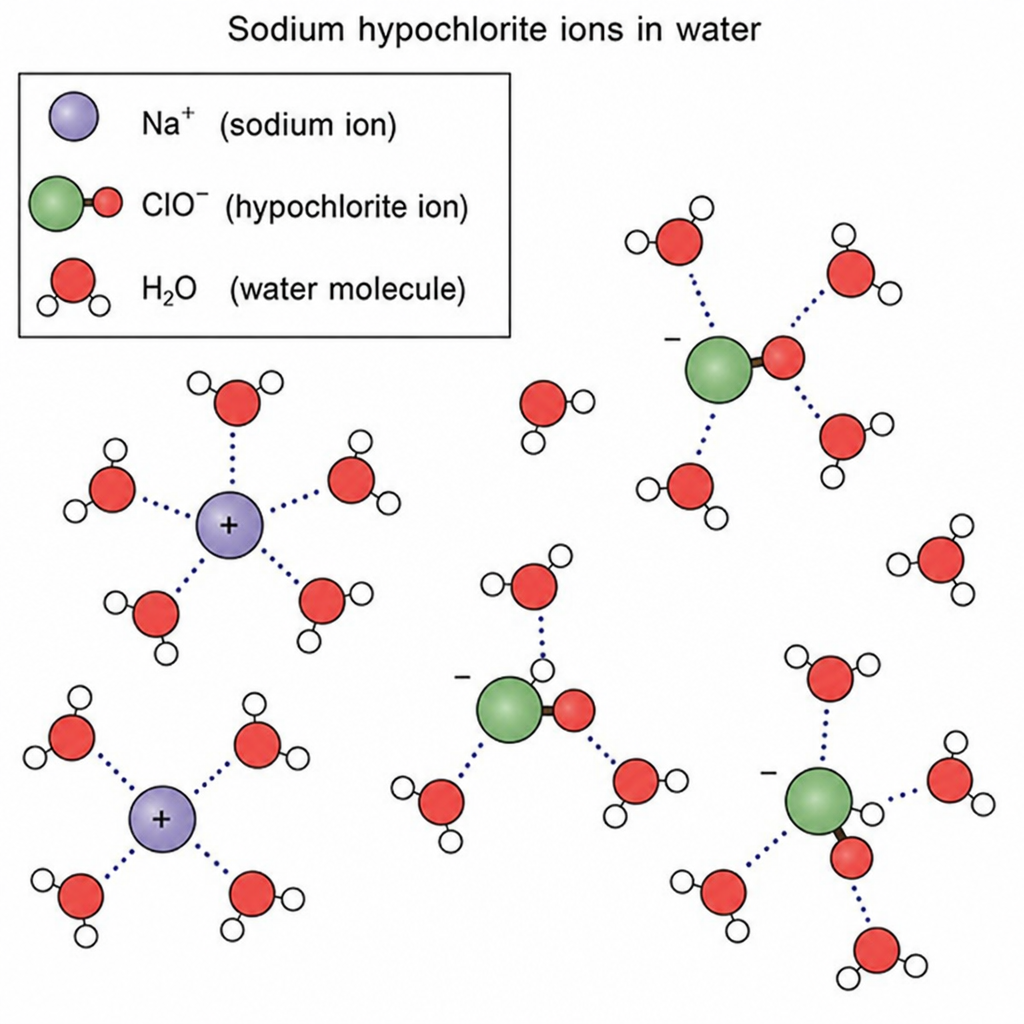
In water, sodium hypochlorite does not behave like a simple neutral molecule. It separates into sodium ions and hypochlorite ions, and that hypochlorite ion is the part responsible for much of the compound’s oxidizing and disinfecting action. That is why the hypochlorite chemical formula, OCl⁻, is just as important as the full formula of sodium hypochlorite.
If you have seen people search for “formula sodium hypochlorite,” “molecular formula of sodium hypochlorite,” or “bleach chemical formula,” they are usually looking for the same core answer: sodium hypochlorite is NaOCl, and common bleach is typically an aqueous solution containing NaOCl rather than pure solid sodium hypochlorite.

The sodium hypochlorite structure in simple terms
The sodium hypochlorite structure is ionic. Sodium forms a positively charged ion, Na⁺, while the hypochlorite portion forms a negatively charged ion, OCl⁻. The attraction between these ions gives the compound its formula, NaOCl.
The hypochlorite ion contains oxygen bonded to chlorine. In practical use, this ion can participate in oxidation reactions that affect stains, odors, microbes, and certain organic materials. That is why NaOCl is used in products designed to whiten, sanitize, and break down unwanted substances.
It is also helpful to separate the idea of a chemical formula from a product label. A bottle of bleach may contain sodium hypochlorite, water, small amounts of sodium hydroxide, and other ingredients depending on the product. So the bleach formula in everyday language usually refers to a solution, while the precise active chemical is sodium hypochlorite, NaOCl.
Key NaOCl properties that explain how it works
NaOCl properties come from its ionic nature, alkalinity in solution, and oxidizing power. Sodium hypochlorite is usually encountered as a liquid solution because it is more practical and stable for storage and use than the pure compound in many settings. The solution often has a sharp chlorine-like odor, though the chemistry is more complex than simply “liquid chlorine.”
One of its most important properties is that it can form hypochlorous acid in water under the right conditions. Hypochlorous acid is closely associated with disinfection performance, while hypochlorite ion remains important in alkaline solutions. The balance between these forms depends strongly on pH, which is one reason sodium hypochlorite products are formulated and handled carefully.
Important characteristics include:
- Oxidizing ability: Sodium hypochlorite can react with many colored, odorous, or biologically active substances.
- Water solubility: It is used mainly as a hypochlorite solution rather than a dry material.
- Alkaline behavior: Many solutions are kept alkaline to improve stability during storage.
- Sensitivity to conditions: Heat, sunlight, contamination, and time can reduce available chlorine strength.
- Reactive nature: It should not be mixed casually with other chemicals, especially acids or ammonia-containing products.
These properties explain both its usefulness and its limitations. Sodium hypochlorite is powerful, but it performs best when the concentration, contact time, surface condition, and safety controls match the task.
Why does hypochlorite solution concentration matter?
Hypochlorite solution concentration matters because it determines how much active oxidizing chemical is available for the job. A solution that is too weak may not perform as intended, while one that is stronger than needed can damage materials, create irritating fumes, or increase handling risks. In real applications, concentration is chosen based on the surface, soil level, purpose, and safety requirements.
Concentration may be expressed in several ways, including percentage of sodium hypochlorite, available chlorine, or parts per million for diluted working solutions. This can cause confusion because two labels may look different even when they describe related ideas. The safest approach is to follow the product label or a validated procedure rather than guessing from the sodium hypochlorite formula alone.
Several factors can affect effective concentration:
-
Dilution accuracy
Adding too much or too little water changes performance. Measuring carefully is especially important when a solution is being prepared for sanitation or process control.
-
Age of the product
Sodium hypochlorite solutions can lose strength over time. Older products may contain less active hypochlorite than expected.
-
Storage conditions
Warm temperatures, sunlight, and incompatible containers can speed degradation. Cool, dark storage generally helps preserve strength.
-
Organic load
Dirt, biofilm, food residue, and other organic matter can consume oxidizer. Cleaning before disinfecting often improves results.
-
pH and water chemistry
The form of chlorine species in solution changes with pH. This affects both activity and stability.
Understanding hypochlorite solution concentration turns the formula from a memorized fact into a practical tool. NaOCl tells you what the active compound is, but concentration tells you how much active chemistry you are actually applying.
Common sodium hypochlorite uses
Sodium hypochlorite uses are broad because oxidation is useful in many everyday and industrial settings. The compound is most familiar in household bleach, but it also appears in sanitation, water treatment, odor control, textile processing, and certain professional cleaning applications. In each case, the goal is usually to oxidize unwanted substances or reduce microbial contamination.
Common uses include:
- Surface disinfection: Properly diluted sodium hypochlorite solutions can be used on compatible hard surfaces when label directions are followed.
- Laundry whitening: Bleach can oxidize colored stains and brighten suitable white fabrics.
- Odor control: Oxidation can help break down some odor-causing compounds rather than simply covering them.
- Water treatment support: Sodium hypochlorite can be used as a chlorinating agent in certain controlled treatment systems.
- Mold and mildew stain removal: It can lighten visible staining on compatible nonporous surfaces, though moisture control is still needed to address the cause.
- Industrial sanitation: Food processing, facilities maintenance, and other operations may use carefully controlled solutions under defined procedures.
Not every material tolerates sodium hypochlorite. It can discolor fabrics, corrode some metals, degrade rubber or plastics over time, and irritate skin, eyes, or the respiratory system. The practical rule is simple: match the product to the surface, use the right dilution, provide ventilation, and never assume that stronger is better.
Sodium hypochlorite reactions that users should understand
Sodium hypochlorite reactions are the reason the compound is useful, but they are also the reason it must be handled with care. In water, sodium hypochlorite participates in equilibria involving hypochlorite ion and hypochlorous acid. In contact with oxidizable materials, it can transfer oxygen or otherwise change chemical structures, which is why stains fade and microbes are damaged.
Some reactions are helpful. Organic stains may be broken into less visible compounds. Odor molecules may be oxidized into less noticeable forms. Microbial cell components can be disrupted, supporting disinfection when the product is used correctly.
Other reactions are hazardous. Mixing sodium hypochlorite with acids can release chlorine gas. Mixing it with ammonia or some amine-containing cleaners can produce irritating chloramine compounds. Contact with certain metals may accelerate decomposition or corrosion.
A practical safety checklist includes:
- Read the label before dilution or use.
- Do not mix bleach with vinegar, acids, ammonia, toilet bowl cleaners, or other household chemicals.
- Use only on compatible surfaces and materials.
- Wear protective gloves or eye protection when appropriate.
- Keep solutions away from children and pets.
- Store in a closed, labeled container away from heat and sunlight.
- Make fresh diluted solutions when required by the application.
The formula NaOCl looks simple, but the surrounding chemistry is active. Treating it with respect protects both performance and safety.
Sodium hypochlorite, bleach, and naming confusion
The terms sodium hypochlorite and bleach are often used interchangeably, but they are not exactly the same. Sodium hypochlorite is the chemical compound with the formula NaOCl. Bleach is the product category, and many liquid chlorine bleaches contain sodium hypochlorite as the active ingredient dissolved in water.
This distinction matters when comparing products. Some bleaches are chlorine-based, while others are oxygen-based and do not rely on NaOCl. That means the bleach chemical formula depends on the type of bleach being discussed. For common chlorine bleach, the active ingredient is sodium hypochlorite, but the full product is a formulated solution.
The naming can also vary in chemistry references. You may see sodium hypochlorite molecular formula, molecular formula of sodium hypochlorite, chemical formula for sodium hypochlorite, or hypochlorite chemical formula. For most practical purposes, remember this simple breakdown:
- Sodium hypochlorite: NaOCl
- Hypochlorite ion: OCl⁻
- Sodium ion: Na⁺
- Common chlorine bleach active ingredient: sodium hypochlorite in water
Once you understand these terms, product labels, safety sheets, and chemistry explanations become much easier to interpret.
Reading the formula in real-world context
The sodium hypochlorite formula is a starting point, not a complete instruction manual. It identifies the active compound, but it does not tell you the product strength, pH, additives, intended surface, required contact time, or compatibility limits. Those details come from the product label, technical documentation, or application-specific guidance.
For everyday readers, the most useful takeaway is that NaOCl is an oxidizing compound that works through controlled chemical reactivity. It can be very effective when diluted and applied correctly, but careless mixing or overuse can create avoidable hazards. For professionals, the formula connects directly to concentration control, storage conditions, reaction chemistry, and quality checks.
Understanding the formula of sodium hypochlorite also helps demystify bleach. Instead of treating bleach as a vague cleaning liquid, you can recognize it as a sodium hypochlorite solution whose behavior depends on chemistry. That makes it easier to use it more thoughtfully, safely, and effectively.
The essential takeaway
Sodium hypochlorite is represented by the formula NaOCl, made from sodium, oxygen, and chlorine. Its active hypochlorite chemistry explains why it is widely used for disinfection, whitening, deodorizing, and oxidation. The same reactivity that makes it useful also means concentration, storage, surface compatibility, ventilation, and chemical mixing rules matter.
If you remember one thing, make it this: the sodium hypochlorite formula tells you what the compound is, but safe and effective use depends on the solution around it. Read labels carefully, respect dilution instructions, and never mix bleach products with other chemicals unless authoritative directions specifically say to do so.
Related Articles

What laboratory equipment does every scientist need?
Every scientist needs a reliable set of tools that makes daily work safer, cleaner, and more repeatable. From basic laboratory glassware to specialized lab instruments, the right setup helps you measure, mix, heat, observe, store, and document with confidence. This guide walks through essential laboratory equipment, practical glassware types, cleaning needs, and smart buying considerations…
Read More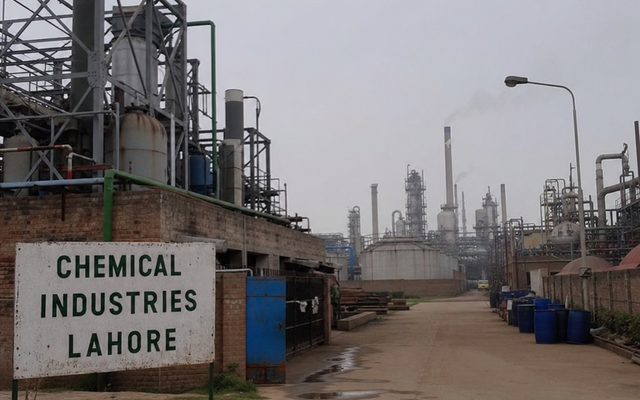
Chemical Industries in Lahore: Market, Jobs, Trends
Chemical Industries in Lahore: Market, Jobs, Trends Chemical industries in Lahore are growing because the city links manufacturing demand, trading networks, skilled labour, and planned industrial estates in one commercial region. For buyers, suppliers, job seekers, and investors, this growth matters because chemicals support textiles, paints, plastics, medicines, cosmetics, construction materials, agriculture, and many other…
Read More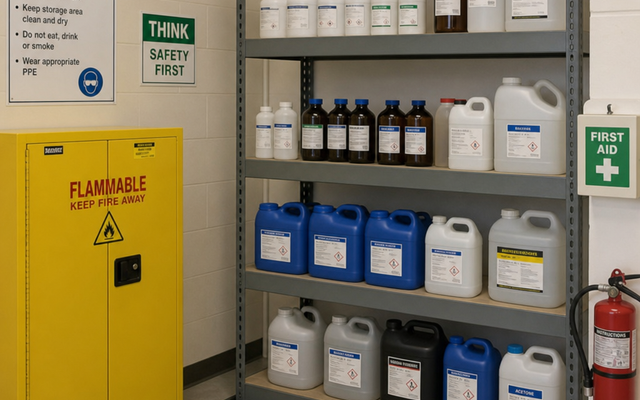
Chemical Shop Near Me: What to Check First
Chemical Shop Near Me: What to Check First Searching for a chemical shop near me is about more than distance. You want the right grade, clear labels, safe handling help, and stock you can trust. Whether you need chemicals for manufacturing, cleaning, labs, farming, cosmetics, textiles, water treatment, or resale, the right supplier makes buying…
Read More