
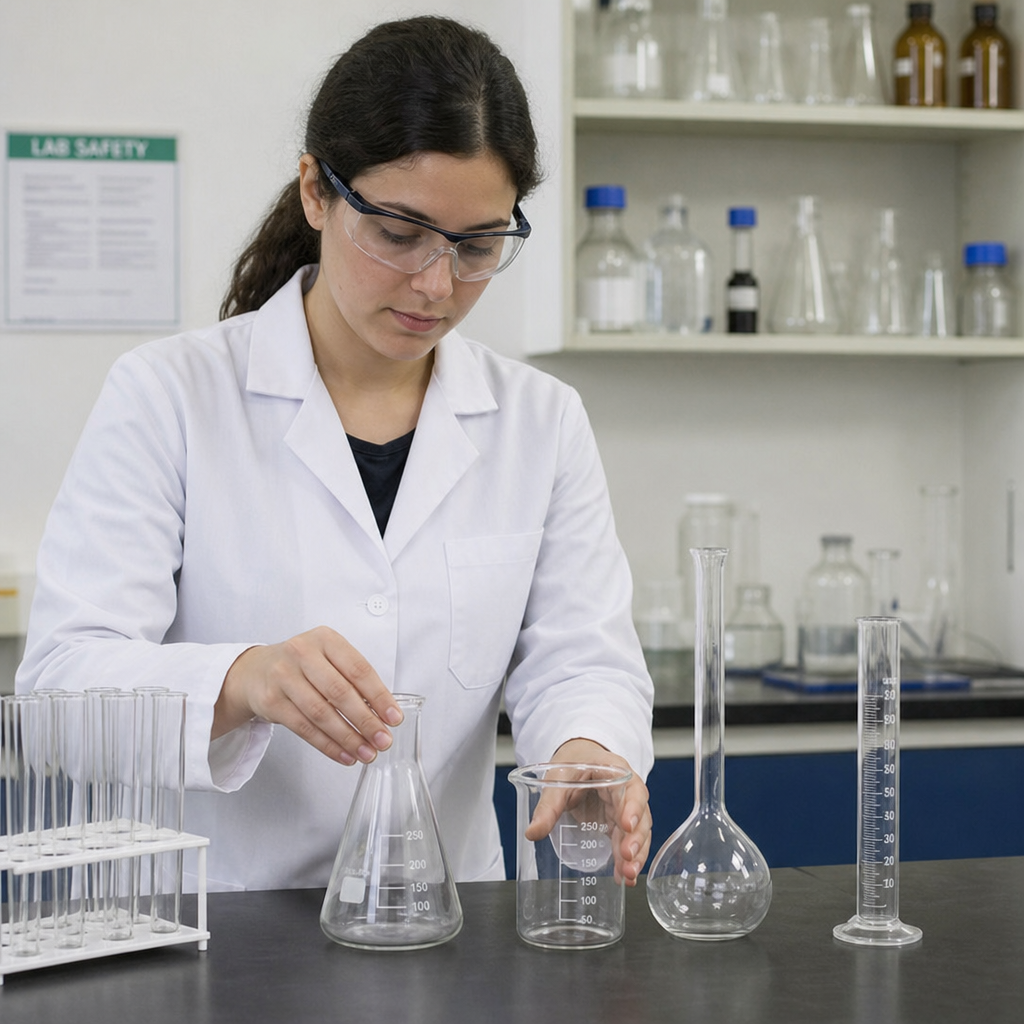
Every scientist needs a reliable set of tools that makes daily work safer, cleaner, and more repeatable. From basic laboratory glassware to specialized lab instruments, the right setup helps you measure, mix, heat, observe, store, and document with confidence. This guide walks through essential laboratory equipment, practical glassware types, cleaning needs, and smart buying considerations for new labs, teaching spaces, and growing research teams.
What laboratory equipment does every scientist need?
Every scientist needs equipment that supports accurate measurement, safe handling, controlled reactions, sample preparation, and proper cleanup. The exact list depends on the discipline, but most labs rely on a core group of lab supplies: glass beakers, lab flasks, measuring tools, storage containers, safety gear, heat sources, and cleaning systems. When these basics are chosen well, they reduce avoidable error and make everyday procedures easier to repeat.
A good starting point is to think in workflows rather than individual items. What do you need to weigh, dissolve, transfer, heat, cool, filter, label, store, or wash? That question quickly turns a random shopping list into a practical laboratory supplies plan.

Core glassware for daily lab work
Laboratory glassware is often the backbone of experimental work because it is transparent, heat-resistant, reusable, and available in many forms. Common glass lab tools help scientists see reactions as they happen, handle liquids cleanly, and work with materials that may not be suitable for plastic. While not every experiment requires glass, scientific glassware remains essential in chemistry, biology, environmental science, medical testing, education, and quality control.
Glass beakers
Glass beakers are among the most recognizable pieces of lab glassware. They are used for mixing, holding, heating, and roughly measuring liquids. Their wide mouths make stirring and pouring simple, while spouts help reduce spills during transfer.
Beakers are not ideal for high-precision measurement, but they are excellent general-purpose vessels. A lab usually benefits from several sizes so small trials, medium batches, and larger preparations can happen without constant washing between steps.
Lab flasks
Lab flasks come in several shapes, and each shape serves a different purpose. Erlenmeyer flasks are useful for swirling liquids without splashing, volumetric flasks support precise solution preparation, and round-bottom flasks are often used when even heating is needed. These glassware types are especially important when procedures involve reactions, titrations, solvent handling, or controlled dilution.
The right flask can improve both safety and accuracy. For example, a narrow-neck flask can help limit evaporation or splashing, while a volumetric flask gives a more dependable final volume than a beaker.
Test tubes, cylinders, and pipettes
Test tubes are useful for small-scale reactions, sample holding, and visual comparison. Graduated cylinders provide better volume measurement than beakers, while pipettes support careful liquid transfer. Together, these tools create a flexible foundation for daily bench work.
Many teams keep a simple reference sheet for laboratory glassware names and pictures pdf files, especially in teaching labs or onboarding programs. Visual guides help new users identify items quickly and reduce confusion between similar-looking tools.
Tools that support accurate measurement
Accurate results depend on more than glassware. A well-equipped lab needs lab instruments that help scientists measure mass, temperature, volume, pH, time, and other variables. Even simple experiments can go off track if instruments are poorly chosen, poorly maintained, or used inconsistently.
Common measurement-focused equipment includes:
- Balances and scales for weighing powders, samples, and reagents.
- Thermometers or temperature probes for monitoring heating, cooling, and storage conditions.
- pH meters or pH strips for checking acidity and alkalinity.
- Micropipettes for small-volume liquid handling.
- Timers for incubation, reaction, heating, and washing steps.
- Rulers, calipers, or measuring devices for physical dimensions.
The practical goal is consistency. If two scientists perform the same method, the lab instruments should help them reach comparable results, not introduce avoidable variation.
Safety equipment is not optional
No list of essential laboratory equipment is complete without safety tools. Protective gear helps reduce exposure to chemicals, heat, sharp objects, biological materials, and broken glass. It also supports a culture where careful work is normal, not an afterthought.
Key safety items include lab coats, gloves, goggles, face shields when needed, spill kits, waste containers, eyewash access, and fire safety equipment appropriate for the lab environment. Labels and storage systems matter too. A clearly marked bottle, properly fitted cap, or compatible laboratory glassware stopper can prevent contamination, evaporation, and accidental exposure.
Safety also applies to how glassware is handled. Cracked or chipped items should be removed from service, heated glass should be treated as hot even when it looks normal, and pressure should never be allowed to build in closed vessels unless the equipment is designed for that purpose.
Why does glassware cleaning matter so much?
Glassware cleaning matters because residue can contaminate samples, distort measurements, interfere with reactions, and create safety risks. A beaker that looks clean may still hold traces of detergent, minerals, oils, or previous reagents. For routine work, careful washing and complete rinsing may be enough, but sensitive applications often require stricter cleaning and drying practices.
A basic cleaning process usually includes removing solids, rinsing promptly, washing with an appropriate detergent, rinsing thoroughly, and drying in a clean area. Some labs also use acid baths, solvent rinses, deionized water, or heat drying depending on the material and procedure. The cleaning method should match the glassware, the contaminant, and the next intended use.
For busier environments, a glassware washer laboratory setup can save time and improve consistency. A dedicated laboratory glassware washer or laboratory glassware washing machine is designed to clean reusable lab items more systematically than handwashing alone. These systems can be especially useful in teaching labs, quality control facilities, and research spaces where large volumes of glassware move through the wash area every day.

Practical lab supplies beyond glassware
Once the main scientific glassware is covered, the next priority is the everyday support material that keeps work moving. These items may seem small, but missing them can stop a procedure just as quickly as missing a major instrument.
Useful lab supplies include:
- Labels, markers, and tape for sample identification.
- Racks and clamps for holding tubes, flasks, and probes securely.
- Funnels and filter paper for transfers and separations.
- Wash bottles for rinsing tools and containers.
- Weigh boats, spatulas, and scoops for solid handling.
- Storage bins, trays, and secondary containment for organization.
- Brushes, drying racks, and cleaning accessories for reusable items.
- Compatible caps, plugs, and stoppers for short-term storage.
These laboratory supplies help create a smoother workflow. They also protect more expensive equipment by reducing spills, breakage, and unnecessary improvisation.
New, used, and vintage glassware choices
Buying new equipment is often the simplest option, especially when accuracy, compatibility, and documentation matter. New laboratory glassware is typically easier to standardize across a lab, and it reduces uncertainty about previous use. For calibrated items, new purchases may also provide clearer markings and traceable specifications.
Used laboratory glassware can be practical for general teaching, demonstrations, or non-critical tasks, as long as each piece is inspected carefully. Look for chips, cracks, clouding, etched markings, unknown residue, and mismatched stoppers or caps. If the previous use is unknown, avoid using it for sensitive analytical work or anything involving food, clinical samples, or high-risk chemicals.
Vintage laboratory glassware can be visually appealing and historically interesting, but it should be treated with caution. Older glass may not meet current expectations for durability, compatibility, or safety. Vintage pieces are often better suited for display, education, photography, or low-risk demonstrations than demanding experimental work.
How should you choose equipment for a new lab?
Choose equipment by matching your expected procedures to the level of accuracy, safety, durability, and throughput required. A teaching lab may need many rugged, easy-to-clean items, while a research lab may prioritize precision instruments, specialized lab flasks, and stricter contamination control. The best purchasing plan starts with the work the lab will actually perform.
A simple selection checklist can help:
- Define the workflow. List the tasks your team performs weekly, not just the tools you recognize.
- Separate essential from occasional. Buy core items first and rent, borrow, or delay rare-use equipment when appropriate.
- Check compatibility. Make sure caps, laboratory glassware stopper sizes, tubing, racks, and washers fit the glassware you choose.
- Plan for cleaning. Decide whether handwashing is enough or whether a laboratory glassware washer is justified.
- Standardize sizes. Repeating common beaker, flask, and tube sizes makes storage and replacement easier.
- Budget for replacements. Glass breaks, brushes wear down, and consumables disappear faster than expected.
- Train users. Equipment only performs well when people know how to handle, clean, store, and inspect it.
This approach avoids overbuying while still giving scientists the tools they need to work efficiently.
Organization turns equipment into a system
Even the best laboratory equipment loses value if it is hard to find, poorly stored, or mixed with damaged items. Clear storage zones help scientists move through tasks without wasting time. Separate clean and dirty glassware, keep measurement tools protected, and store delicate items where they will not be knocked over.
Labeling is especially important in shared spaces. Shelves can be marked by glassware types, such as beakers, flasks, cylinders, pipettes, and bottles. Cleaning areas should also be obvious, with separate spots for items awaiting washing, items drying, and items ready to return to use.
A basic inspection routine keeps the system healthy. Before using any glass lab tools, check for cracks, scratches near stress points, faded markings, and rough edges. Removing questionable pieces early is cheaper and safer than dealing with a failed vessel during a procedure.
Building a reliable lab starts with the basics
Essential laboratory equipment is not just a collection of objects. It is a working system that supports safe habits, clean processes, and dependable results. Laboratory glassware, lab instruments, cleaning equipment, safety gear, and everyday supplies all play a role in how smoothly a scientist can work.
Start with the procedures your lab performs most often, then choose glassware and tools that fit those needs. Add organization, inspection, and cleaning practices from the beginning. When the basics are strong, every experiment has a better chance of starting clean, staying controlled, and producing results you can trust.
Related Articles
Understanding Acids and Bases in Chemistry
Acids and bases are central ideas in chemistry. They help explain common reactions, lab data, body chemistry, and many AP Chemistry problems. Once you see how acidic solutions, weak bases, strong acids, acid-base indicators, buffer solutions, and neutralization reactions fit together, acid-base chemistry is easier to predict than to memorize. This guide moves from the…
Read MoreFood Additives: Safety, Labels, and Storage
Food additives are used to protect food, keep it stable, add flavor or color, sweeten, and improve food during production, storage, and shipping. For consumers, they can make ingredient labels easier to read. For food businesses, they support better sourcing, food safety, and storage choices. This guide explains what food additives do, how natural additives…
Read More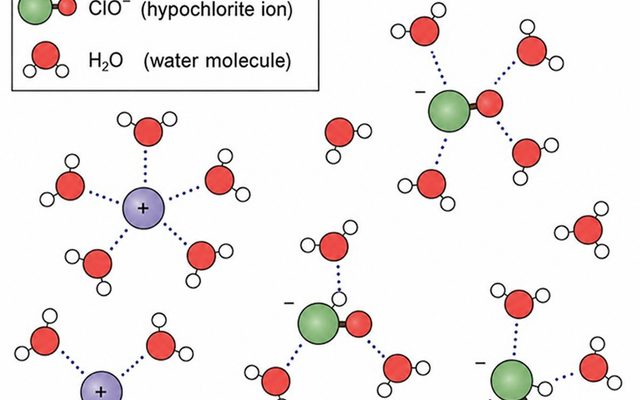
Understanding the Sodium Hypochlorite Formula
Understanding the Sodium Hypochlorite Formula Sodium hypochlorite is best known as the active ingredient in many bleach products, but its chemistry is more specific than the word “bleach” suggests. The sodium hypochlorite formula, NaOCl, tells you what elements are present, how the compound behaves in water, and why it is useful for cleaning, disinfection, deodorizing,…
Read More