
Food additives are used to protect food, keep it stable, add flavor or color, sweeten, and improve food during production, storage, and shipping. For consumers, they can make ingredient labels easier to read. For food businesses, they support better sourcing, food safety, and storage choices. This guide explains what food additives do, how natural additives and synthetic ingredients differ, how additive regulations work, and why good warehousing matters.
What are food additives?
A plain food additives definition is this: substances added to food for a clear job, such as keeping it fresh, improving texture, stopping separation, adding color, or keeping flavor steady. Some food additives come from familiar sources. Others are made to do the same job with steady results at scale. The key question is not only whether an additive sounds natural or chemical. It is also why it is used, how much is used, and whether it has been checked for that use.
Food enhancement can be as simple as adding pectin to help jam set. It can also be as technical as using a mix aid to keep oil and water blended in a sauce. Additives help makers produce foods that stay stable from factory to shelf to kitchen. Without them, many products would spoil faster, look uneven, separate, lose texture, or become less handy for daily use.
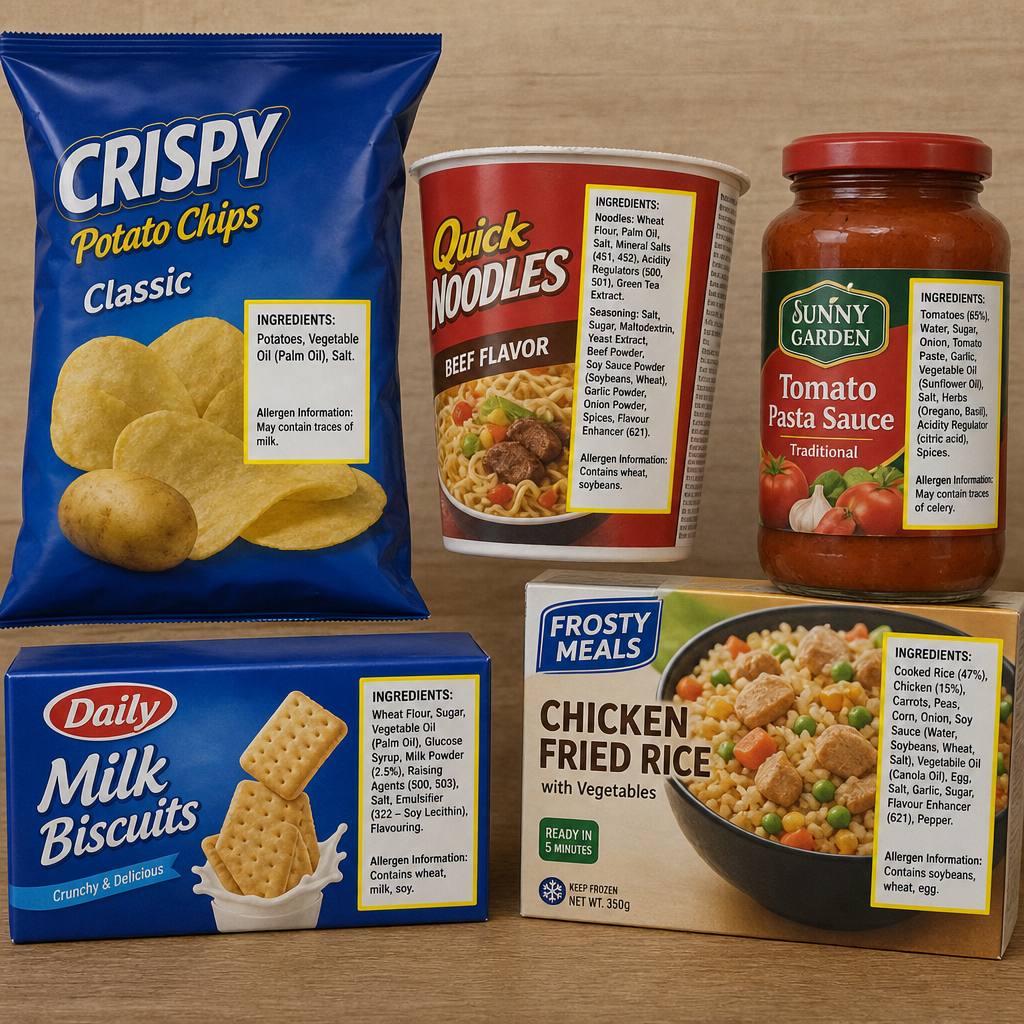
The main types of additives and what they do
Food additives are a broad group, so it helps to sort them by job. A single product may use several additives at once. For example, a bakery item might contain food preservatives for shelf life, a stabilizer for softness, and a color ingredient for appearance.
Common categories include:
- Preservatives: Slow spoilage from germs, oxidation, or other quality loss. These are common in baked goods, sauces, meats, drinks, and ready foods.
- Fat protectors: Help keep fats and oils from going bad and can protect color or taste during storage.
- Colors: Food coloring may restore color lost during processing or keep the same look across batches.
- Emulsifiers and stabilizers: Keep mixtures smooth, stop separation, and improve texture in dressings, ice cream, sauces, and dairy-style products.
- Sweeteners: Add sweetness with or without sugar, based on the product goal.
- Flavoring agents: Natural extracts, artificial flavors, and other flavor systems help create clear taste profiles.
- Acidity regulators: Manage tartness, pH, and stability, which can affect flavor and safety.
These ingredients are not just for human food. Dog food additives may also be used for preservation, texture, color, nutrition, or taste appeal, although pet food follows its own rule and label system in each market.
Natural and synthetic additives are not opposites
Natural additives come from plant, animal, mineral, or microbe sources. Examples can include pectin from fruit, some plant-based colors, vinegar-based ingredients, or vitamin C used as a protective aid. These ingredients often appeal to shoppers who prefer shorter or more familiar ingredient lists, but natural does not always mean safe for every person.
Synthetic ingredients are made or changed through controlled manufacturing. Some are built to be very steady, stable, and predictable in food production. Chemical additives may sound worrying to some buyers, yet every food ingredient is a chemical in a science sense, including water, salt, starch, and citric acid.
A better comparison is how the additive is made, what job it does, whether it is allowed for that job, and how it is handled in the supply chain. Natural and synthetic forms of the same compound may work much the same way, but they can differ in cost, purity, sourcing difficulty, allergen risk, green goals, and storage needs.
How are food additives regulated and labeled?
Food additives are usually controlled through safety review, allowed-use rules, and label rules that change by country or region. In major markets such as the United States, the European Union, and Australia, authorities check whether an additive can be used in certain foods and under what conditions. Labels then help shoppers spot additives by name, function, code, or another required format based on local rules.
In the EU, approved additives are often tied to E numbers, which show substances allowed after safety review. In the United States, additives may go through food additive approval or be seen as generally safe for a certain use when the proof supports it. Australia and New Zealand use standards from FSANZ, including rules for allowed additives and labeling.
For consumers, the most useful tool is the ingredient list. Ingredient labels usually show additives with the other ingredients, often with a class name such as color, preservative, stabilizer, or acidity regulator. If you are comparing products, look at both the additive name and its job rather than reacting only to whether the term sounds technical.
For makers, additive regulations affect formula work, sourcing, records, and claims. A food additives supplier may need to provide specs, certificates, allergen details, trace records, and proof that the material fits the target market. When products cross borders, rule match becomes even more important because an additive allowed in one place may have different limits or label rules elsewhere.
Effects, benefits, and possible concerns
The effects of additives depend on the additive, the food, the amount used, and the person eating it. Many additives give clear benefits. They can reduce spoilage, hold product quality, improve consistency, and make food more convenient. Preservatives, antioxidants, stabilizers, and package systems often work together to protect products during transport and storage.
At the same time, some people may react to certain ingredients. Reactions can involve colors, preservatives, flavoring parts, or other items, but self-diagnosis is not safe because foods have many ingredients at once. Anyone who suspects a sensitivity or allergy should ask a qualified health professional, especially before making major diet changes.
There are also broader consumer questions about total exposure and highly processed diets. Additive safety checks are built around intended use and exposure estimates, often with safety margins. Even so, researchers and regulators may keep reviewing substances when new facts appear. For everyday shoppers, the balanced move is to read labels, vary food choices, and focus on the whole diet rather than assuming every additive is harmful or harmless.
Common misconceptions
- If I cannot pronounce it, it must be unsafe. Many safe and familiar substances have technical names, while simple names can still cause reactions for some people.
- Artificial always means worse. Artificial flavors or colors may be tightly set and very steady, while natural ingredients can change by harvest, source, and processing method.
- Additives are only used to hide poor quality. Some are used for look, but many protect safety, stability, texture, and shelf life.
- No additives means no risk. Foods without added preservatives can still spoil, separate, oxidize, or become unsafe if handled poorly.
Storage and warehousing shape additive quality
Food additives warehousing is a key but less visible part of the food supply chain. Additives may be powders, liquids, pastes, oils, concentrated colors, acids, flavor systems, or sensitive blends. Each type can need different levels of heat control, moisture control, light control, air flow, container care, and separation.
Food additives warehouse facilities should protect materials from contamination, moisture, pests, odor transfer, and mix-ups. A strong food additives storage warehouse program also supports traceability, lot control, shelf-life rotation, and clean handling. These controls are important because a small mistake can ruin a whole batch of food.
Food additives warehousing services are especially important for importers, makers, distributors, and co-packers that handle many ingredient types. Warehouses may need to keep apart allergens, strong odors, acids, colors, or reactive materials based on the properties of the products they store. They also need record systems that show where materials came from, where they were stored, and where they went.
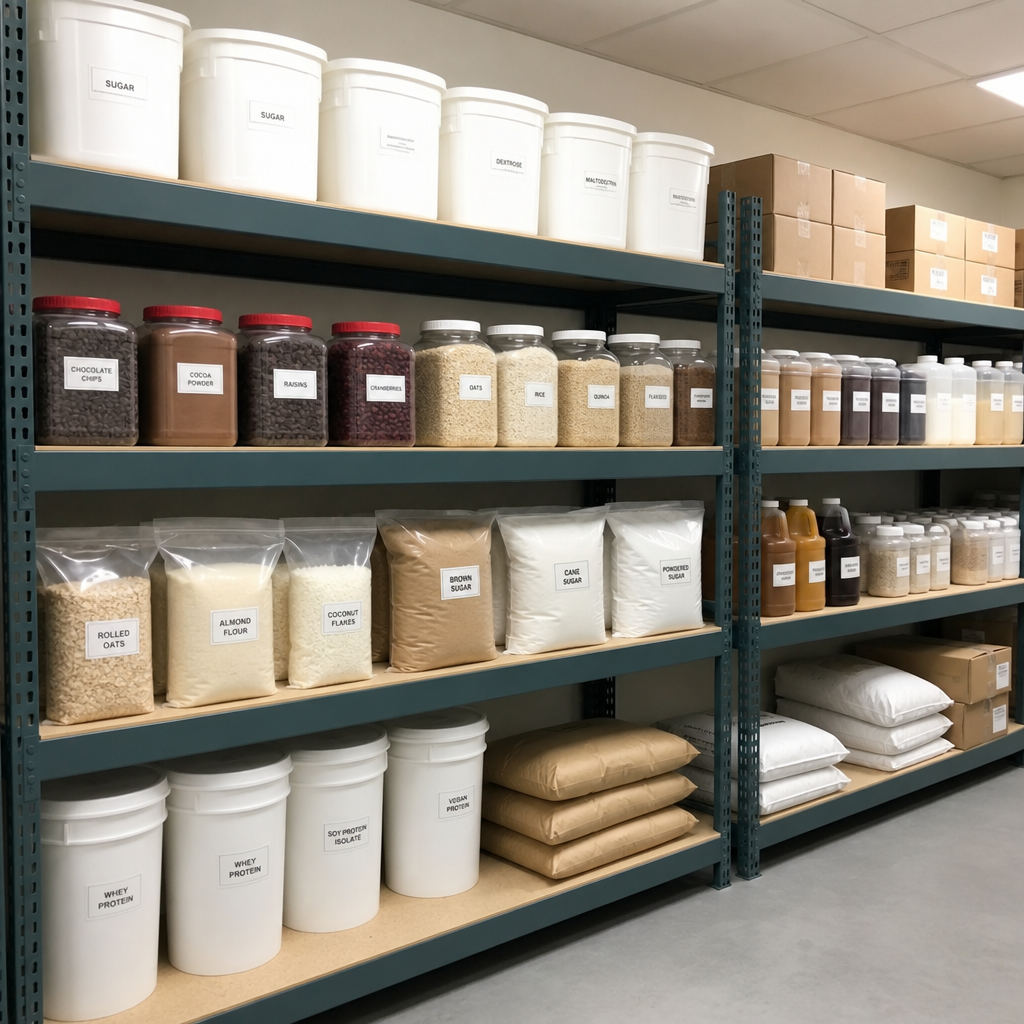
Practical warehouse considerations
A well-run additive storage program usually includes:
- Clear receiving checks: Check product name, lot code, package condition, supplier papers, and storage notes before you accept goods.
- Segregation by risk: Keep materials that should not mix apart, including allergens, strong-smell flavors, colors, acids, and cleaning chemicals.
- Environmental control: Match storage to the material, especially for ingredients sensitive to heat, humidity, freezing, light, or oxygen.
- First-expired, first-out rotation: Use expiry or retest dates to cut waste and keep old stock out of production.
- Container discipline: Keep containers sealed, labeled, and safe after opening.
- Traceability records: Keep lot-level movement records so issues can be tracked fast.
- Staff training: Make sure workers understand food safety, cross-contact prevention, spill response, and label accuracy.
These basics may sound practical, but they directly affect product quality. A color powder that takes on moisture may clump, a flavor kept near strong odors may change, and a preservative used too long may not work as well as expected.
Choosing additives and suppliers with care
For food businesses, additive selection should start with the product goal. Do you need longer shelf life, better texture, a cleaner label, brighter color, or better flavor stability? Once the goal is clear, the next step is to choose an additive that is allowed in the target market and fit for the process.
Supplier choice matters just as much as the formula. A dependable food additives supplier should provide steady specs, clear labels, safety papers, and useful storage advice. Businesses should also consider whether the supplier can support trace records, allergen controls, rule questions, and steady supply.
Consumers can use a simpler version of the same thinking. If you are curious about a product, look for the additive’s job on the label and think about the food as a whole. A snack with food coloring is different from a staple food with preservatives meant to keep it safe and fresh; context matters.
Reading labels without panicking
Ingredient lists can feel like a puzzle, and some people even meet these terms first through a food additives crossword rather than a grocery aisle. The better skill is learning to spot patterns. If a label includes several stabilizers, the product may be built for a smooth texture; if it includes preservatives and acidity regulators, shelf life may be the goal.
A calm label-reading routine helps:
- Start with the first few ingredients, because they usually make up much of the product.
- Look for the additive’s job, not just the name.
- Note ingredients you need to avoid because of allergies, food issues, medical advice, or diet choice.
- Compare similar products for fewer additives, different sweeteners, or no artificial flavors.
- Remember that storage directions after opening can matter as much as the ingredient list.
The takeaway
Food additives are not a single good or bad group. They include natural additives, synthetic ingredients, preservatives, colors, stabilizers, sweeteners, and flavors that do specific jobs in modern food production. The best approach is to know their purpose, read labels in context, follow trusted safety advice, and remember the value of good handling behind the scenes.
For businesses, that means using a compliant formula with reliable suppliers and strong warehousing controls. For consumers, it means using ingredient labels as a tool, not a source of fear. When additives are chosen, checked, stored, and used well, they can support food safety, consistency, quality, and convenience.
Q&A
Question: Are natural additives always safer than synthetic additives?
Short answer: No. Natural additives may come from plant, animal, mineral, or microbe sources, while synthetic ingredients are made or changed in controlled manufacturing. Safety depends on the purpose, allowed use, amount used, handling, and fit for the person eating it.
Question: Why do similar foods sometimes use different additives?
Short answer: Different products may have different goals, such as longer shelf life, smoother texture, brighter color, better flavor stability, or less sugar. Process conditions, target markets, label rules, supplier choices, storage needs, and cost can also shape the final list of food additives.
Question: What should consumers look for first when reading an ingredient label?
Short answer: Consumers should start with the first few ingredients because they usually make up much of the product, then look at the job of any additives listed. It is also wise to note ingredients that should be avoided because of allergies, food issues, medical advice, or personal diet needs.
Question: Why is warehousing so important if additives are used only in small amounts?
Short answer: Even small amounts of an additive can affect a large batch of finished food. Poor storage, mislabeled containers, moisture, odor transfer, allergen cross-contact, or old stock can change product quality, safety, texture, color, or flavor. Strong warehouse controls help protect trace records, shelf life, and ingredient performance.
Question: What should food businesses ask of an additive supplier?
Short answer: A dependable supplier should provide steady specs, clear labels, safety papers, storage advice, allergen details, trace records, and proof that the additive is fit for the target market. This matters even more when products cross borders because allowed uses and label rules can change by region.
Related Articles
Understanding Acids and Bases in Chemistry
Acids and bases are central ideas in chemistry. They help explain common reactions, lab data, body chemistry, and many AP Chemistry problems. Once you see how acidic solutions, weak bases, strong acids, acid-base indicators, buffer solutions, and neutralization reactions fit together, acid-base chemistry is easier to predict than to memorize. This guide moves from the…
Read More
What laboratory equipment does every scientist need?
Every scientist needs a reliable set of tools that makes daily work safer, cleaner, and more repeatable. From basic laboratory glassware to specialized lab instruments, the right setup helps you measure, mix, heat, observe, store, and document with confidence. This guide walks through essential laboratory equipment, practical glassware types, cleaning needs, and smart buying considerations…
Read More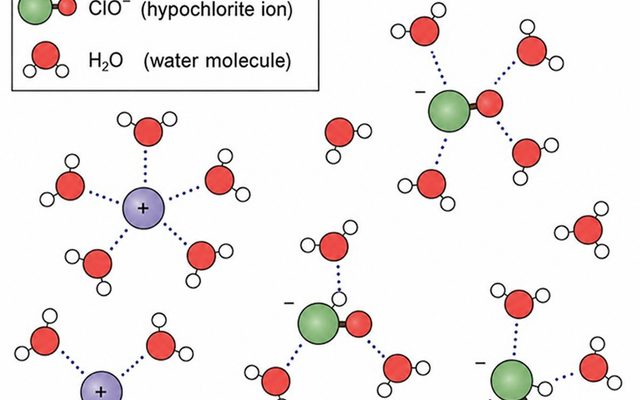
Understanding the Sodium Hypochlorite Formula
Understanding the Sodium Hypochlorite Formula Sodium hypochlorite is best known as the active ingredient in many bleach products, but its chemistry is more specific than the word “bleach” suggests. The sodium hypochlorite formula, NaOCl, tells you what elements are present, how the compound behaves in water, and why it is useful for cleaning, disinfection, deodorizing,…
Read More